Geocellular systems are versatile solutions for managing rainwater runoff, functioning
as either RETENTION-INFILTRATION units or ATTENUATION units in standalone setups
or within a Sustainable Urban Drainage Scheme (SuDS). Within SuDS, these systems
are cost-effective, quick to deploy, and environmentally friendly, offering a smaller
footprint with higher water collection and storage capacity than traditional systems.
With a 50-year lifespan (Reference: Maximizing the Lifespan of Plastic Geocellular
Drainage System) and reduced labor and machinery needs, they are a practical and
popular choice for urban flood mitigation. Their rapid hydraulic intake and increased
floodwater retention help reduce flooding and ponding in public spaces, giving
municipal engineers additional time to drain excess water into the national system
within capacity limits.
Latest News & Resources
No Items found
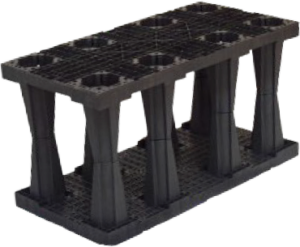
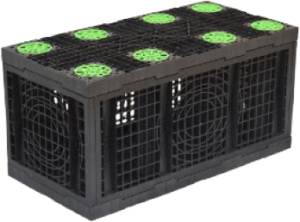
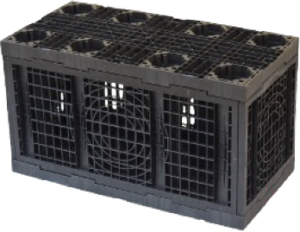
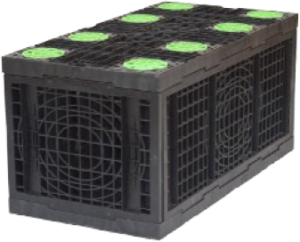
HYDROEX™ is pleased to introduce the HD Modular Geocellular Unit – a robust, flexible, durable, maintenance-free 4th-generation high-performance structural geocellular tank made from Virgin Polypropylene as per EN 17152-1 standards, or from Recycled material in full compliance with CIRIA guidelines and European norms. For detailed scope, Ref. link Guide to designing geocellular drainage systems to CIRIA C737
We at HYDROEX™ have developed a way to innovate traditional rainwater harvesting and make the system more effective. In line with CIRIA guidelines and other International Standards, as well as the principles of SuDS, we have developed a stormwater management solution that supports retention, infiltration, and rainwater harvesting.
The objective of the HYDROEX™ Storm Water Management Solution is to maintain or replicate the pre-development water cycle through design techniques that create a functionally equivalent hydrological landscape. When urban development occurs, the natural water cycle is altered to the extent that stormwater runoff from individual properties and roads intensifies, flows usually increase, and potential contaminants from residential and commercial activity and associated vehicle use flow into the streams and watercourses. Traditionally, stormwater generated from urban areas is conveyed efficiently to designed trunk drainage systems to reduce stormwater ponding and flooding risk.
The versatility of our technology has made this system suitable across a variety of projects such as schools, parks, hospitals, roads, bus depots, metros, ports, playground you name it, we've done it. By combining retention, infiltration, and rainwater harvesting practices, communities can mitigate the impacts of floods, alleviate water scarcity and drought, and promote sustainable water use while minimizing the strain on traditional water sources.